CPAP has been difficult
Explain what you have tried, what feels uncomfortable, and the support you need while an alternative is evaluated.
Discuss alternatives →
Build on what you know · Livingston, Texas
Have a sleep apnea diagnosis? Bring your sleep-study results and treatment experience to an oral-appliance consultation in Livingston.
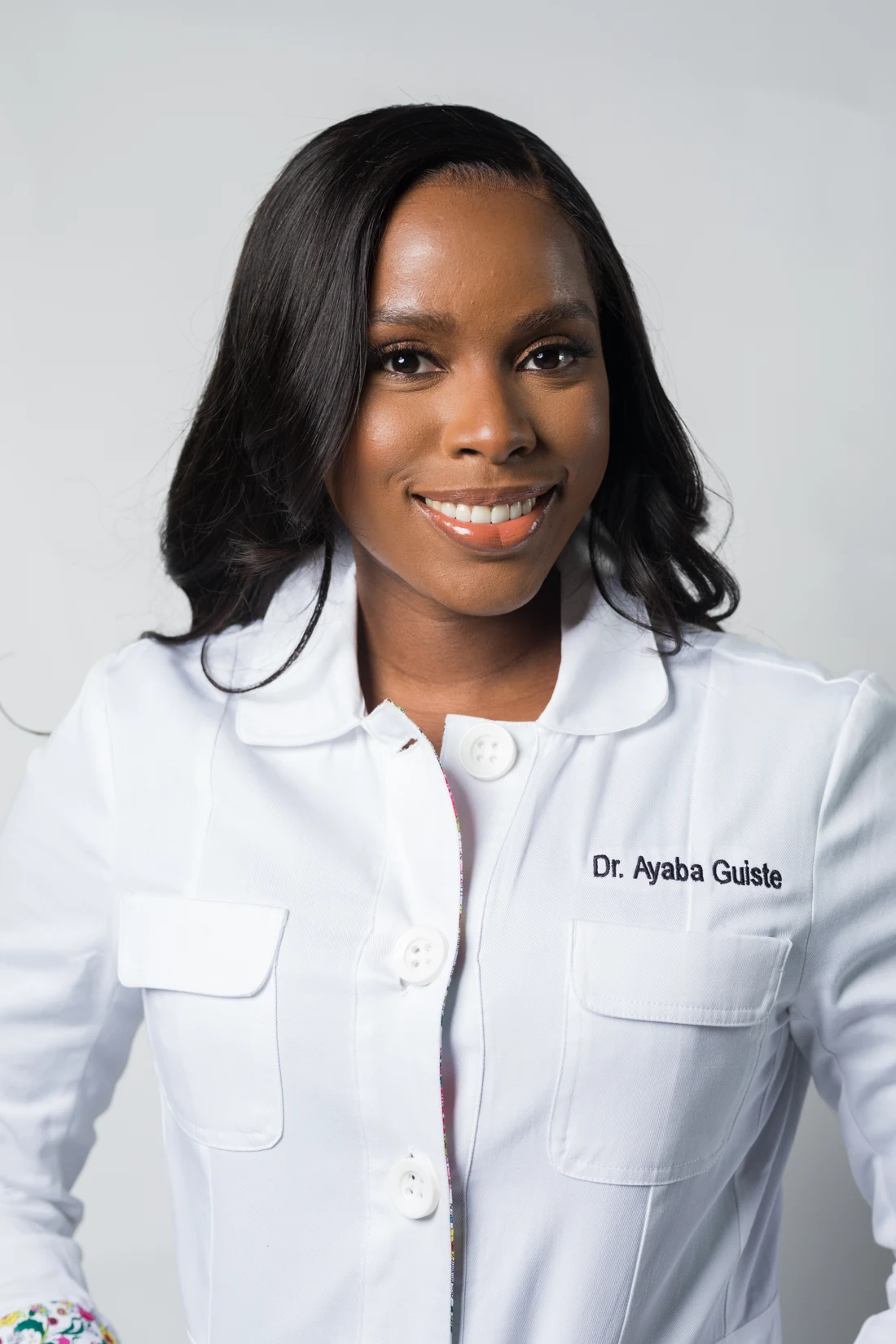 Dr. Ayaba GuisteDental Sleep Medicine · Livingston
Before you schedule
Ask about the consultation fee, who would provide and bill for testing, and your plan’s requirements. Confirm an estimate before proceeding.
Insurance & cost questions →Ask whether testing is appropriate, which provider would arrange it, and whether it would take place at home or in a sleep center. Equipment and collection arrangements depend on that plan.
Ask who will interpret your study, how you will receive the results, and when to expect that conversation. A medical provider guides diagnosis and treatment decisions.
What brings you here?
Explain what you have tried, what feels uncomfortable, and the support you need while an alternative is evaluated.
Discuss alternatives →Learn about dental suitability, fitting, possible side effects, costs and how treatment response is checked.
Explore oral appliance care →For fit, damage or new discomfort, contact your treating provider. Call us first to discuss whether our office can help with your device.
Get follow-up guidance →A closer look at the mechanism
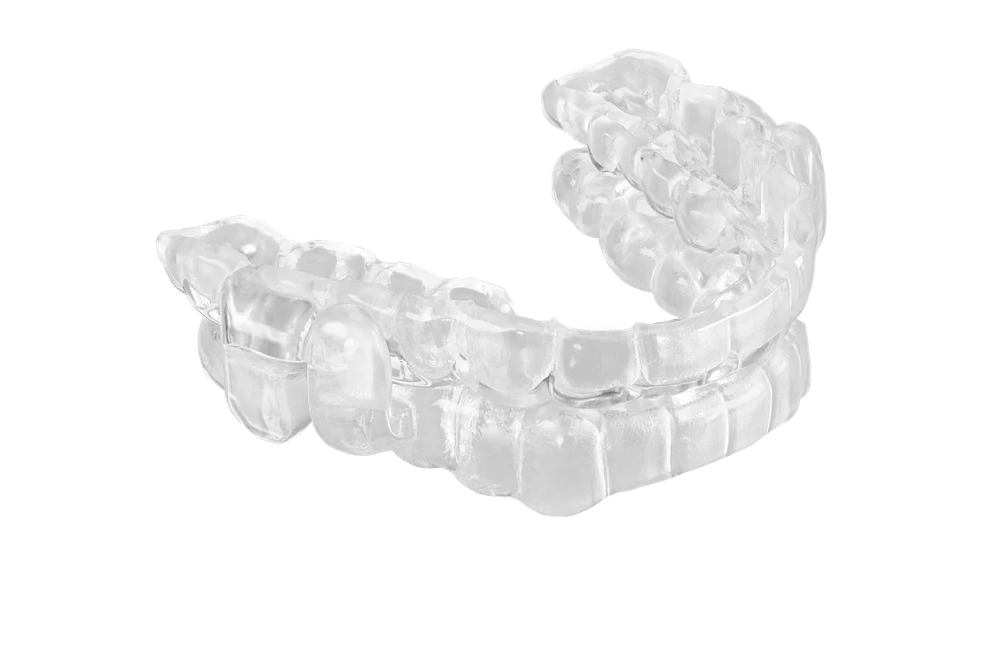
Conceptual sequence. Device design and adjustment are individualized.
Small device. A specific purpose.
A mandibular advancement appliance holds the lower jaw forward during sleep. That position can help keep the airway from becoming blocked.
Fit and comfort are only part of the picture. Follow-up is needed to monitor dental effects and assess how well treatment works for you.
Understand how it works →Make the consultation useful
Tell us what you have tried and what has been difficult. Mask comfort, nightly use, travel and your own treatment goals are all useful topics to discuss.
If you use CPAP, keep following your prescribing clinician’s instructions while another option is evaluated.
Explore CPAP alternatives →Missing something? Call first. We can explain what is needed and how to provide records.
Call (936) 268-9778 →Personalized care
Oral appliances may be considered for selected adults with obstructive sleep apnea. Your diagnosis, medical treatment plan and dental evaluation help determine whether this is a suitable approach.
How oral appliance therapy works →See how the pieces connect
Your starting point may be different. The medical and dental steps work together when an oral appliance is appropriate.
A medical provider considers symptoms, history and the need for testing.
An appropriate test provides information about breathing during sleep.
Your physician explains the diagnosis and treatment options.
Dr. Guiste examines teeth, gums, bite and jaw for appliance suitability.
If appropriate, a custom appliance is fitted and adjusted with your dentist.
Your care team reviews comfort and treatment response, including testing when indicated.
Answers before decisions
Bring your own questions, too. We’ll help you prepare for the conversation.
Not everyone needs the same next step. Your clinician will consider your existing report, current symptoms and treatment history before deciding whether more testing is needed.
Not automatically. The type of sleep apnea, medical treatment plan and dental findings all matter. A dental evaluation helps determine whether an appliance is suitable.
Discuss changes with your prescribing clinician. A consultation about an alternative does not replace your current treatment instructions.
Please call our office to arrange the appropriate way to provide medical records. This website does not accept record uploads.
Still looking for a diagnosis?
Patient education: NIH / NHLBI — diagnosis · AASM Sleep Education
A conversation is a good place to start
Tell us what you’re experiencing. We’ll help you prepare for a visit.